.
Correspondingly, when did camouflage originate?
Camouflage was first practiced in simple form in the mid 18th century by jäger- or rifle units. Their tasks required them to be inconspicuous, and they were issued green and later other drab colour uniforms.
where is camouflage used? Camouflage, also called cryptic coloration, is a defense or tactic that organisms use to disguise their appearance, usually to blend in with their surroundings. Organisms use camouflage to mask their location, identity, and movement. This allows prey to avoid predators, and for predators to sneak up on prey.
Correspondingly, when was camouflage first used in war?
1915
What is military camouflage?
Operational Camouflage Pattern (OCP), originally codenamed Scorpion W2, is a military camouflage pattern adopted in the mid-2010s by the United States Army for use as the U.S. Army's main camouflage pattern on the Army Combat Uniform (ACU).
Related Question AnswersWhat are the 4 types of camouflage?
There are four basic types of camouflage:- Concealing coloration. Concealing coloration is when an animal hides itself against a background of the same color.
- Disruptive coloration.
- Disguise.
- Mimicry.
How do animals camouflage?
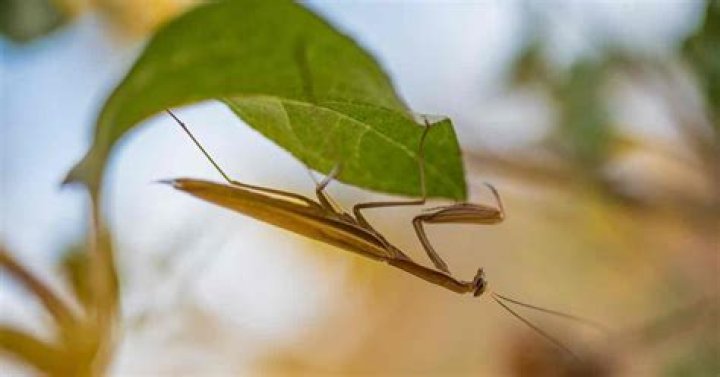
There are many ways animals camouflage themselves. An animal's color, shape, or skin texture can help them blend in with their environment. They have special cells in their bodies that allow them to rearrange pigment molecules (colored molecules) in order to change the color patterns in their skin.Is camouflage a French word?
Borrowed from French camouflage, from camoufler (“to veil, disguise”), alteration (due to camouflet (“smoke blown in one's face”)) of Italian camuffare (“to muffle the head”), from ca- (from Italian capo (“head”)) + muffare (“to muffle”), from Medieval Latin muffula, muffla (“muff”).What is the synonym of camouflage?
Synonyms. concealment screen covert cover. Antonyms. incorporeal incorporeality immaterial insubstantial insubstantiality.Why is camouflage important?
Organisms use camouflage to mask their location, identity, and movement. This allows prey to avoid predators, and for predators to sneak up on prey. The physical characteristics of the organism are important. Animals with fur rely on different camouflage tactics than those with feathers or scales, for instance.What is camouflage adaptation?
Many animals have evolved to exhibit some form of camouflage, which is an adaptation that allows animals to blend in with certain aspects of their environment. Camouflage increases an organism's chance of survival by hiding it from predators. Camouflage is also used by some predators as a tool for hunting.How do you say camouflage?
Here are 4 tips that should help you perfect your pronunciation of 'camouflage':- Break 'camouflage' down into sounds: [KAM] + [UH] + [FLAAZH] - say it out loud and exaggerate the sounds until you can consistently produce them.
- Record yourself saying 'camouflage' in full sentences, then watch yourself and listen.
What is blue camo for?
The blue, grey, and black camo was to hide grease spots and other grime.What are BDUS called now?
Battle Dress Uniform. The Battle Dress Uniform (BDU) is a camouflaged combat uniform that was used by the United States Armed Forces as their standard combat uniform from the early 1980s to the mid-2000s. Since then, it has been replaced or supplanted in every branch of the U.S. Armed Forces.What are the colors of camouflage?
One of the most popular styles of camouflage uses random splotches of army green, brown, and gray, which would help disguise someone in a woodland setting.What animals camouflage?
Read on to see if you can spot the incredibly well-camouflaged animals in these photographs.- Owl. Flickr | minicooper93402.
- Leafy Sea Dragon. Flickr | wbaiv.
- Chameleon. Flickr | *SHERWOOD*
- Octopus. Flickr | mattk1979.
- Moth. Flickr | Paul Albertella.
- Leaf-Tailed Gecko. Flickr | Frank.Vassen.
- Cuttlefish.
- Stick Insect.