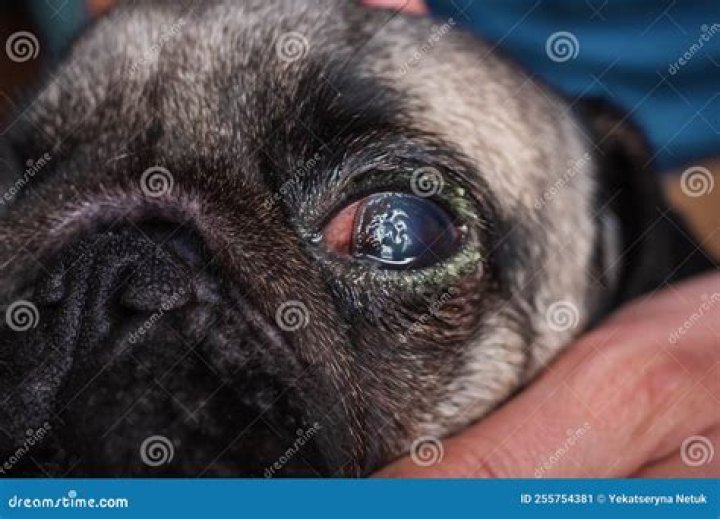
As with many small dogs, the Maltese can be subject to dental and eye problems as well as conditions of the knee. The dog may be prone to a serious condition called portosystemic shunt, which leads to toxification of the blood stream. The Maltese's life expectancy ranges from 12 to 14 years..
Keeping this in consideration, do Maltese have lots of health problems?
Health Issues Common to Maltese Most small dogs have health problems related to their size. Tiny puppies are fragile, and have problems keeping their blood sugar levels up. Like many small white dogs, Maltese can suffer from "white shaker dog syndrome" (idiopathic cerebellitis.)
Subsequently, question is, are Maltese smart dogs? The Maltese is a highly energetic and intelligent dog that has an extremely sweet disposition. Learn all about this breed here. The Maltese is a sweet, lively dog with a reputation for intelligence. Despite their tiny size, Maltese are playful, high-energy dogs.
Herein, what is life expectancy of Maltese dogs?
12 – 15 years
Do Maltese dogs have bad eyesight?
Many dogs adjust well to losing their vision and get along just fine. This is one of the most commonly inherited diseases in dogs, and your Maltese is more likely than other dogs to develop this painful condition. If untreated, these abnormal hairs can cause corneal ulcers and chronic eye pain.
Related Question Answers
How do I know if my Maltese is dying?
The Telltale Signs a Dog Is Dying - Prolonged Lethargy/Disinterest. This is the most common sign that the dying process has begun.
- Stops Eating/Drinking.
- Loss of Coordination.
- Incontinence.
- Labored Breathing.
- Seeking Comfort.
Do Maltese have teeth problems?
Maltese often have serious problems with their teeth, so you'll need to brush them at least three times a week!Are Maltese loyal?
The Maltese standards describe these dogs as loving and gentle, but also fearless and loyal. You can count on yours to come to your aid no matter what.What are Maltese known for?
This elegant toy dog breed is famed for the silky white hair covering his body. Straight and thick, the coat falls all the way to the floor. Many years ago, Maltese came in many colors, but these days they are always white. But the Maltese is more than his coat.Which small dog breed is healthiest?
What are the healthiest small dog breeds? - Beagles. At the top of our list of healthy small dogs are Beagles.
- Affenpinschers. Are spunky little dogs that do well living in apartments.
- Boston Terriers.
- Pembroke Welsh Corgis.
- The Shetland Sheepdog.
- Schnoodles.
- Welsh Terriers.
- Chihuahuas.
What diseases do Maltese get?
Maltese are susceptible to bacterial and viral infections — the same ones that all dogs can get — such as parvo, rabies, and distemper. Many of these infections are preventable through vaccination, which we will recommend based on the diseases we see in our area, her age, and other factors.Are Maltese dogs prone to cancer?
Cancer is a leading cause of death in older dogs. Your Maltese will live longer than many other breeds and is likely to get cancer in her golden years. And unfortunately, your Maltese is much more likely to develop this problem than other breeds.Is a Maltese a good dog?
The Maltese is gentle, affectionate, intelligent, responsive and trusting. A good family dog, Maltese are lively, playful, vigorous, and they generally enjoys learning tricks. They can be snappy with raucous children. Highly alert, the Maltese elicits a flurry of barking in response to unfamiliar noises.What is the longest living dog?
The current world record holder for world's oldest dog is Bluey, an Australian Cattle Dog who, coincidentally, lived in Victoria, Australia, just like Maggie. Bluey lived from 1910 to 1939 and died at the age of 29 years and five months.Are Maltese dogs picky eaters?
The Maltese also has a solid reputation for being somewhat picky and this fussy streak means they need a little coaxing when it comes to mealtime. They can be finicky eaters so owners generally find the best results come from giving them a diet that has been formulated specifically for the Maltese breed.What is the oldest living Maltese?
So what's so special about survivor Zac? Well, he's 20 years of age which makes him probably the oldest Maltese terrier (the oldest dog?) on the Coast. Maltese terriers have a life span of 12-15 years and with Zac still being around at 20 it's quite an achievement.Can Maltese live outside?
Because they are little and have no undercoat, Maltese don't leave a lot of fur around the house. Outdoor Maltese enjoy frolicking around the back yard and taking medium-length walks with their owners. They are house dogs, however, and shouldn't be left alone outside for any length of time.What Should I Feed My Maltese?
Natural Diet Such diets may include raw chicken necks, ground up along with the raw bones for a smaller dog like your Maltese, chopped vegetables, cooked beef or chicken, boiled beef liver, cottage cheese and a vitamin supplement.Where do Maltese dogs come from?
Mediterranean Basin
How old do goldendoodles live?
10 to 15 years
What kind of dog is a morkie?
The Morkie is a cross between a purebred Yorkshire terrier and a purebred Maltese. This crossbreed originated in the United States.How old do cockapoos live?
As with a lot of smaller dogs they tend to be quite long-lived, and it is usual for cockapoos to live between the lifespan of 14-18 years, with some living into their 20s. However, both purebred Poodles and Cocker Spaniels can suffer from luxating patellas (loose knees), and this can be passed on to their offspring.Are Maltese stubborn?
Like all dogs, the Maltese needs proper training and socialization in order to be happy and well-adjusted. Be careful not to overlook these things just because the Maltese is a small dog. Some feel that the Maltese has an endearing stubborn streak and can be a little on the vocal side.Can Maltese dogs drink milk?
Though drinking milk is not toxic for your dog, it can produce a lot of significant problems down the road. Many dogs are lactose intolerant to some degree, which means they have a difficult time digesting dairy products.